rEFIt is a boot menu and maintenance toolkit for EFI-based computers like the Intel Macs. You can use it to boot multiple operating systems easily, including triple-boot setups with Boot Camp. It allows you to avoid having to hold down the option key in order to select the OS you want to boot into as your Mac starts up, and provides a nice graphical interface instead.
OS X Yosemite was announced and released to developers on June 2, 2014, at WWDC 2014 and released to public beta testers on July 24, 2014. Yosemite was released to consumers on October 16, 2014. Following the Northern California landmark-based naming scheme introduced with OS X Mavericks, Yosemite is named after the national park. Oct 26, 2010 How to install rEFit on MAC OS X (Including Sierra) - Duration: 1:32. Buggy Fever 36,251 views. Nov 24, 2014. OS X Yosemite.app Pre-install: 1. Download and install SFOTT from the link/mirror above. Download Yosemite either from a suspicious location or from the Mac App Store (try using Mavericks Download Enabler if on unsupported Mac). Rename 'Install OS X Yosemite.app' to 'Install OS X Yosemite Beta.app'. Oct 24, 2019 Begin installation After installation of the installer is complete, open the Applications folder on your Mac, then double-click the file named Install OS X Yosemite. Click Continue and follow the onscreen instructions. You might find it easiest to begin installation in the evening so that it can complete overnight, if needed.
Oct 24, 2019 Mac mini introduced in early 2009 or later iMac introduced in mid 2007 or later Mac Pro introduced in early 2008 or later Xserve models introduced in early 2009. To find your Mac model, memory, storage space, and macOS version, choose About This Mac from the Apple menu. If your Mac isn't compatible with OS X Yosemite, the installer will let. 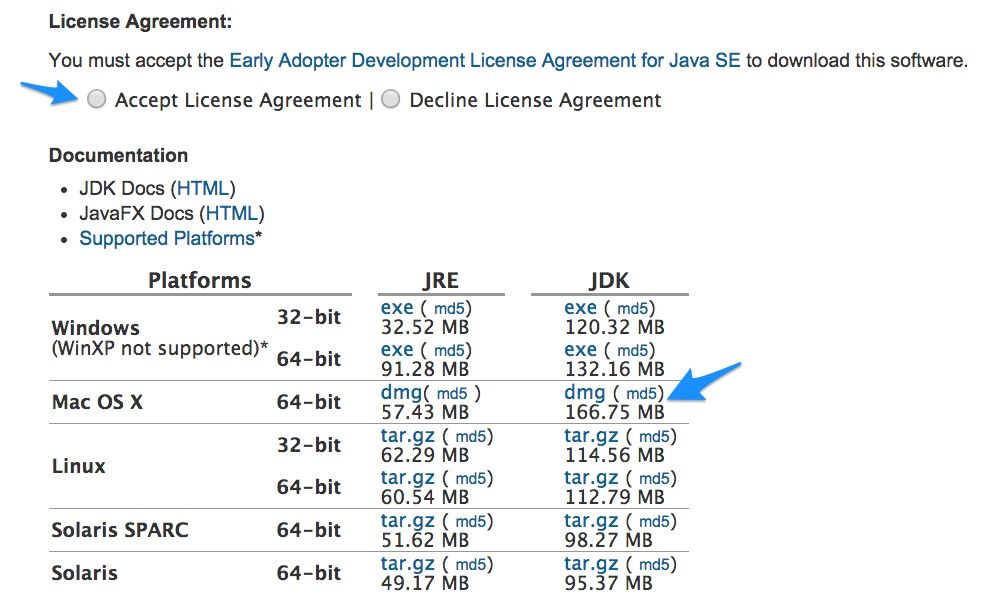 Java for macOS 2017-001 installs the legacy Java 6 runtime for macOS 10.13 High Sierra, macOS 10.12 Sierra, macOS 10.11 El Capitan, macOS 10.10 Yosemite, macOS 10.9 Mavericks, macOS 10.8 Mountain Lion, and macOS 10.7 Lion.
Mac Yosemite Review
- Head over to the rEFIt home page and download the “Mac disk image” version.
- Open the DMG and run the rEFIt.mpkg installer file.
- The installation is very straight forward, mostly you’ll click Continue a couple of times, and you’ll be prompted to enter your password. Note: select your Mac OS X installation volume as the destination volume for the install – not an external drive etc.
- Restart your Mac. As it boots, you should be presented with the rEFIt boot screen.
- If you were not, and OS X just booted normally (as was the case for me), have no fear. Copy the efi folder from the rEFIt DMG file to the root level of your Mac OS X volume. Open Terminal and enter the following commands:
cd /efi/refit
./enable.sh
<enter password when prompted> - Now reboot again. This time you should have no problems using the rEFIt boot manager
- If you ever decide to uninstall rEFIT, it’s quite simple. Open the Startup Disk preference pane from your System Preferences and select Mac OS X as the operating system to boot. This will re-bless your Mac OS X volume and instruct the firmware to boot from it. Then rename or delete the efi folder.
In case your Mac OS X installation on the hard disk no longer boots, you can boot from the Mac OS X Install Disc (hold down the C key while booting) and run Startup Disk from the Utilities menu.
Macos catalina ld: library not found for -lssl3 iphone. How do you determine where things are, at run-time?The RPATH mechanism is quite flexible. The main issue is that a loaded library is not an 'already-loaded dependency' unless the path from which it was loaded matches the path that dyld's search algorithm comes up with when trying to satisfy a dependency.Is there literally no relationship between the locations of plugins and the libraries on which they depend?